
7 BEST Kids Backpacks for School [My TOP Picks]
![7 BEST Kids Backpacks for School [My TOP Picks]](https://thebloggingtraveller.net/wp-content/uploads/2026/07/ChatGPT-Image-Jul-16-2026-10_37_09-PM-1-1024x576.png)
7 Best Kids Backpacks for School, Travel, and Everyday Use
Choosing a backpack for a child is surprisingly different from buying one for yourself. Adults can tolerate a slightly awkward strap or inconvenient pocket. Children, however, may simply drag the bag, leave it unzipped, or ask you to carry it after five minutes.
That is why the best kids backpacks need more than cheerful colors. A good bag should fit the child properly, feel light before anything is packed, open without a struggle, and provide sensible room for folders, lunch, a water bottle, and the inevitable crumpled school notice.
I also pay close attention to cleaning. Kids’ bags meet classroom floors, playground dirt, leaking bottles, snack crumbs, and mystery stains more frequently than most adult backpacks ever will.
This guide compares seven practical choices for preschool, kindergarten, elementary school, travel, daycare, and everyday family outings. I have focused on fit, organization, comfort, realistic drawbacks, and the small features that can make busy mornings less chaotic.
Quick Parent Picks
- Best Overall: L.L.Bean Junior Original Book Pack, thanks to its balanced 17-liter size and school-ready construction.
- Best for Preschool: Skip Hop Spark Style Little Kid Backpack, with manageable proportions and playful designs.
- Best for Kindergarten: Pottery Barn Kids Mackenzie Backpack, because several sizes are available for different heights.
- Best for Elementary School: STATE Kane Kids Backpack, with folder-friendly storage and smart internal organization.
- Best Lightweight Option: Fjällräven Kånken Mini, weighing just 220 grams with a compact 7-liter body.
- Best Budget Pick: Bentgo Kids Prints Backpack, offering practical school organization without entering premium territory.
- Best for Travel: Fjällräven Kånken Mini, since its simple shape works nicely for toys, snacks, and spare clothing.
- Best Cute Design: Pottery Barn Kids Mackenzie Backpack, thanks to its enormous selection of child-friendly patterns.
Table of Contents
Backpack Fit Guide for Kids
A children’s backpack should fit the child rather than simply accommodate the longest school-supply list.
The bag should not extend noticeably beyond the child’s shoulders. It should rest close to the back instead of hanging low and bouncing against the hips. Adjustable straps matter because the same bag can sit very differently over a thin shirt and a bulky winter coat.
Look for two broad, padded shoulder straps. The American Academy of Pediatrics recommends using both straps and adjusting the bag so its bottom sits around the child’s waist. It also advises placing heavier items closer to the center of the back. Its backpack safety guidance is worth reading before school begins.
Younger children generally need smaller and lighter bags. A huge backpack may look like better value because the child can “grow into it,” but that extra space usually attracts unnecessary toys, books, and half-finished water bottles.
The AAP’s broader back-to-school guidance suggests keeping a packed backpack within 10% to 20% of the child’s body weight. I would treat that as an upper range, not a packing goal.
Before ordering anything, check whether the school expects children to carry a full-size folder, binder, lunch box, laptop, or spare clothing. Those requirements should determine the minimum size.
Best Kids Backpacks: Ranked Picks
1. L.L.Bean Junior Original Book Pack, Best Overall
The L.L.Bean Junior Original Book Pack feels like the sensible middle ground in this roundup. Its 17-liter capacity provides meaningful school space without immediately becoming an enormous shell on a younger child.
I especially like that the shape looks straightforward. There are no complicated flaps or decorative closures to slow a child down when everyone else is already lining up for class.
Best for: Kindergarten and younger elementary students
Age range: Ages 4 and older
Size or capacity: Approximately 17 L
Water bottle pocket: Yes
Main strength: Balanced size and dependable construction
Main drawback: Still substantial for a very small child
Why parents may like it
At 14.5 inches high, the Junior Original Book Pack is designed to carry real school supplies rather than only snacks and a stuffed animal. The 17-liter interior should provide space for folders, lunch, a lightweight sweater, and smaller daily essentials.
Its padded shoulder straps are important once a lunch box and filled bottle join the school load. There is also a front pocket for smaller objects, which means pencils and tissues do not need to disappear beneath everything else.
What appeals to me most is its lack of fuss. A child can unzip the main compartment, drop in a folder, and move on. During a rushed morning, that simplicity is more valuable than an elaborate organizer a young child may never use correctly.
What could be better
The bag may look oversized on a particularly small four-year-old. Its size also makes overpacking tempting. A roomy bag can quickly become heavy when children start collecting library books, toys, stones, and unfinished art projects.
Best for this type of child
Choose it for a kindergarten or elementary student who carries full-size papers, lunch, a bottle, and an extra clothing layer. It is also a practical choice for parents who want one bag to last through more than a single school year.
Who should skip it
Skip it for toddlers, very small preschoolers, or children who only need to carry snacks and one change of clothes.
Bottom line
This is my best overall choice because it balances child-friendly proportions with genuine school capacity. It feels practical enough for ordinary weekdays without becoming dull or unnecessarily complicated.
2. Pottery Barn Kids Mackenzie Backpack, Best for Kindergarten
The Pottery Barn Kids Mackenzie Backpack stands out because parents can choose among different sizes instead of forcing every child into the same backpack.
That sounds obvious, but it solves one of the biggest problems in this category. Children of similar ages can have very different heights, and age labels alone do not guarantee a comfortable fit.
Best for: Kindergarten children and design-conscious families
Age range: Varies by selected size
Size or capacity: Multiple sizes available
Water bottle pocket: Yes
Main strength: Strong range of sizes and patterns
Main drawback: Sizing and optional accessories require careful selection
Why parents may like it
The available sizes make this bag easier to match with a child’s actual body. The mini version is intended for smaller children, while the small and large versions accommodate taller kids and longer school materials.
The exterior bottle pockets are useful for separating drinks from books and papers. I also appreciate having a front pocket where a child can keep tissues, pencils, or a snack instead of emptying the entire main compartment onto the classroom floor.
The variety of prints is another genuine advantage. A child may care far more about dinosaurs, rainbows, sports, or space than pocket engineering. Letting them choose a design can make the backpack feel like their possession rather than another object selected by an adult.
Pottery Barn Kids also provides a useful explanation of kindergarten backpack sizing, including the need to consider full-size folders and notebooks.
What could be better
The number of sizes and related accessories can make the buying process confusing. Parents should confirm exactly which version they are viewing before relying on dimensions.
Matching lunch bags, water bottles, and personalization may also make the final purchase more expensive than expected.
Best for this type of child
It suits a kindergarten child who needs a school-ready bag but still wants an exciting, recognizable design. It is particularly useful when the child falls between typical preschool and elementary proportions.
Who should skip it
Parents seeking the simplest budget option may prefer Bentgo or Skip Hop. Children who dislike bold patterns may also be happier with the cleaner L.L.Bean or JanSport designs.
Bottom line
The Mackenzie is easy to recommend when fit and appearance matter equally. Just measure the child and check the selected size carefully before ordering.
3. STATE Kane Kids Backpack, Best for Elementary School
The STATE Kane Kids Backpack feels more polished than the typical character-covered school bag. The manufacturer recommends it for kindergarten through third grade and says it can accommodate folders plus one two-inch binder or textbook.
I like the way it brings adult-style organization into a child-friendly format without looking as though someone simply shortened an office backpack.
Best for: Kindergarten through third grade
Age range: Kindergarten to third grade
Size or capacity: Not confirmed across all versions
Water bottle pocket: Yes
Main strength: Thoughtful organization and refined styling
Main drawback: Costs more than many basic school backpacks
Why parents may like it
The Kane provides designated storage instead of one large space where snacks, papers, and pencils collide. That organization can help children learn where their things belong, although parents may need to establish the system initially.
The folder-friendly main section makes it useful for early elementary school. The exterior bottle pocket also keeps condensation and small leaks away from worksheets, which is a tiny feature until the day it saves an entire folder.
The colorful lining found in many versions makes the interior feel cheerful and can help small objects stand out. I find that far more practical than a deep, completely dark compartment where a child insists something has vanished.
What could be better
This is a premium choice, and children are not always gentle enough to make a premium backpack feel like a sensible investment. Designs and materials can also vary between editions, so parents should verify the current product page.
The organization is useful, but it adds little value if the child prefers throwing everything into the main compartment.
Best for this type of child
Choose it for an early elementary student who carries folders, a binder, small accessories, and a water bottle. It is especially suitable for a child beginning to manage their belongings independently.
Who should skip it
Skip it for toddlers and for families who expect the backpack to spend most of its life on playground concrete, muddy fields, or daycare floors.
Bottom line
The Kane Kids is the most refined elementary school option here. It combines sensible storage with designs that feel playful without becoming overly juvenile.
4. Skip Hop Spark Style Little Kid Backpack, Best for Preschool
The Skip Hop Spark Style Little Kid Backpack is designed for children aged three and older. Its 12-inch height keeps it much closer to preschool proportions than a standard school backpack.
The playful shapes and zipper pulls immediately feel child-oriented, but the bag still includes practical details such as adjustable padded straps and an elastic bottle pocket.
Best for: Preschool, daycare, and short outings
Age range: Ages 3+
Size or capacity: 12 x 10 x 5.5 inches
Water bottle pocket: Yes
Main strength: Manageable size for small children
Main drawback: May not fit standard school folders
Why parents may like it
The main compartment is roomy enough for preschool essentials such as a snack box, spare shirt, small toy, and wipes. The front pocket gives little hands an easier place to reach frequently used items.
The mesh bottle pocket is another welcome detail. I would rather have a bottle visible on the outside than rolling around beside clothing and paper crafts.
Its decorative zipper pulls may look like a minor flourish, but they provide a larger piece for small fingers to grip. That can make opening the bag less frustrating while a child is still developing coordination.
What could be better
This is not the right bag when a school expects a full-size folder to travel home without bending. Its playful design may also feel too young once the child enters elementary school.
Although the materials are described as easy to clean, parents should still follow the care directions instead of automatically putting it in a washing machine.
Best for this type of child
It is ideal for a preschooler carrying daycare supplies, a small lunch, a bottle, or personal treasures during a family outing.
Who should skip it
Skip it when the child needs to transport binders, large folders, several books, or bulky winter clothing.
Bottom line
The Skip Hop keeps its priorities straight: small proportions, accessible storage, and designs children can become genuinely excited about carrying.
5. Bentgo Kids Prints Backpack, Best Budget Pick
The Bentgo Kids Prints Backpack is a cheerful, practical option for parents who want useful school features without moving into premium pricing.
Its prints coordinate with other Bentgo products, which may appeal to children who enjoy matching their lunch box, bottle, and backpack. More importantly, the design includes padded support and separate storage for everyday school items.
Best for: Preschool, kindergarten, and light elementary use
Age range: Not confirmed
Size or capacity: Not confirmed
Water bottle pocket: Yes
Main strength: Good everyday features for the price
Main drawback: Not intended for large or particularly heavy school loads
Why parents may like it
I like the way this bag acknowledges the messy reality of school. There is room for lunch-related items, bottles, papers, and smaller accessories rather than expecting everything to share one unstructured compartment.
The padded back and adjustable shoulder straps should make ordinary loads more comfortable. Some Bentgo backpack variations also include a chest strap, but parents should check the exact version because features can differ.
The prints are bright without making the bag difficult to recognize. Spotting the correct backpack among twenty bags piled beside a classroom wall can be a very real advantage.
What could be better
Capacity and specifications can vary between Bentgo models and bundles. Confirm whether you are purchasing the backpack alone or a version with an integrated or matching lunch bag.
Children carrying thick binders, textbooks, and a laptop will probably outgrow its usefulness.
Best for this type of child
It works well for younger students who carry lunch, a folder, stationery, and a few lightweight school supplies.
Who should skip it
Older elementary students with heavier academic loads should consider the JanSport SuperBreak Plus or a larger L.L.Bean model.
Bottom line
Bentgo offers a friendly balance of price, organization, and child-approved patterns. It is a sensible everyday option when school requirements are still fairly light.

6. Fjällräven Kånken Mini, Best Lightweight Option
The Fjällräven Kånken Mini has a clean, boxy shape that works for children without being exclusively a children’s product.
Its 7-liter capacity and 220-gram weight make it the lightest clearly specified backpack in this roundup. I like it most as a travel, daycare, or day-out bag rather than a full school backpack.
Best for: Travel, daycare, and lightweight personal items
Age range: Suitable for children and adults
Size or capacity: 7 L
Water bottle pocket: Yes, but narrow
Main strength: Extremely light and easy to pack
Main drawback: Limited capacity and very slim bottle pockets
Why parents may like it
The wide zip opening makes the interior easy to see. A child does not need to dig through a narrow opening to find a snack hiding at the bottom.
Its simple rectangular space also packs efficiently. A spare outfit, small toy, snack, and compact bottle can be arranged without navigating several tiny dividers.
The removable seat pad is an unusual but useful inclusion for family trips, park visits, or outdoor events. It also adds a little structure against the back.
Because the design does not look overly childish, the backpack can continue working for casual outings even after a child’s tastes change.
What could be better
The standard shoulder straps are relatively narrow and lightly padded compared with more traditional school backpacks. That matters less with a light load, but it is another reason not to fill this bag with heavy books.
The two side pockets are narrow. Many modern children’s bottles will not fit, particularly once the main compartment is full.
Fjällräven advises against overfilling and provides specific Kånken care guidance.
Best for this type of child
Choose it for a child carrying their own entertainment, snacks, light clothing, and travel essentials. It also suits families who prefer simple designs over cartoon characters.
Who should skip it
Skip it for children who need full-size folders, large lunch boxes, wide bottles, textbooks, or heavily padded shoulder straps.
Bottom line
The Kånken Mini is a lovely little travel companion, but its best quality is also its limitation. It stays light because it does not provide much room for overpacking.
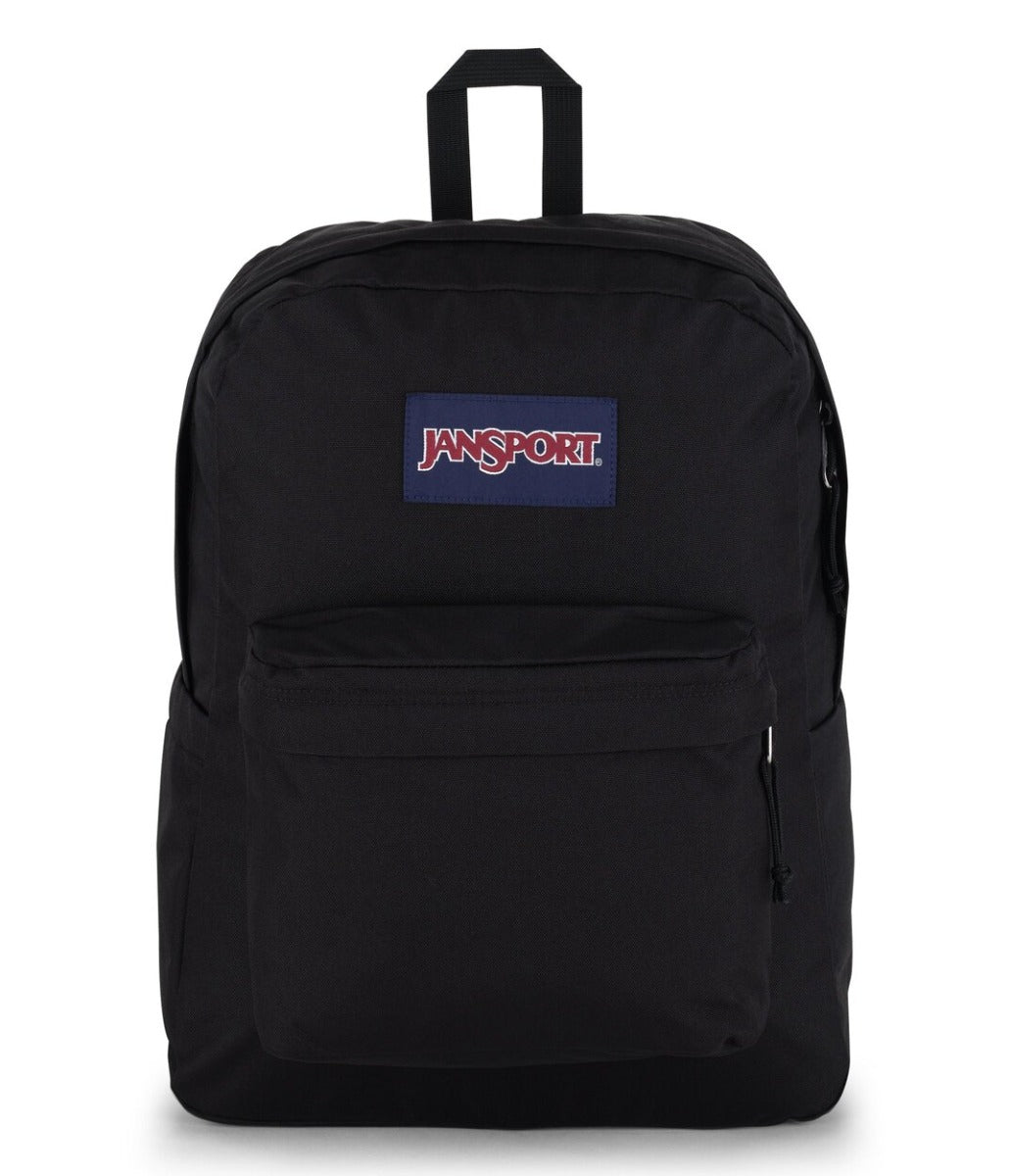
7. JanSport SuperBreak Plus, Best for Older Elementary Students
The JanSport SuperBreak Plus is the largest backpack in this roundup, offering 26 liters of storage, a padded laptop sleeve, a bottle pocket, and a front organizer.
It feels better suited to older elementary children than preschoolers or kindergarten students. I would only choose it once the child genuinely needs the additional capacity.
Best for: Older elementary students and school-to-travel use
Age range: Not confirmed
Size or capacity: 26 L
Water bottle pocket: Yes
Main strength: Spacious, versatile storage
Main drawback: Too large for many younger children
Why parents may like it
The main compartment provides space for books, folders, lunch, and an extra clothing layer. A front organizer keeps pens and smaller supplies from disappearing into the bottom.
Its internal sleeve can hold a laptop up to the stated size, but it can also separate folders or papers when no device is carried. The padded back panel and shoulder straps are useful once the bag starts filling up.
Cord zipper tabs are easier to grip than tiny metal pulls. This is the kind of detail I appreciate most during hurried school mornings, when a stubborn zipper can somehow become a family-wide emergency.
What could be better
At 16.5 inches high and 26 liters, the bag can overwhelm a small child. The empty space may also encourage unnecessary packing.
It has one main bottle pocket rather than two, and younger children may not need the laptop sleeve.
Best for this type of child
It suits an older elementary student carrying multiple folders, books, a device, lunch, and daily accessories. It can also transition into sleepovers and family travel.
Who should skip it
Preschoolers, kindergarteners, and small children should use a shorter, lighter backpack that matches their body more closely.
Bottom line
The SuperBreak Plus offers the strongest long-term versatility, but only for a child tall enough to wear it correctly. Do not buy the extra capacity before it is actually needed.
Age-by-Age Backpack Guide
Best Backpack Size for Toddlers
A toddler backpack should remain small and extremely light. At this age, the bag usually carries snacks, wipes, one outfit, and a beloved toy rather than school books.
Look for an uncomplicated zipper, short adjustable straps, and a handle that an adult can grab quickly. Avoid filling the bag just because empty space remains.
Best Backpack Size for Preschool
Preschool children generally need a lightweight bag that they can open without help. It may need room for a lunch box, bottle, change of clothes, and classroom papers.
Confirm whether the school sends home full-size folders. Some charming preschool backpacks are too short to hold them without bending the corners.
Best Backpack Size for Kindergarten
Kindergarten often introduces more papers, folders, lunch equipment, sweaters, and library books. The backpack needs genuine storage, but it should not look as though the child could climb inside it.
A height around 15 inches may accommodate common school folders, but always compare the school’s requirements with the product’s exact internal dimensions.
Best Backpack Size for Elementary School
Elementary students usually need better organization, stronger materials, comfortable straps, and enough room for books, folders, lunch, and a bottle.
Capacity should increase only when the child’s daily requirements increase. L.L.Bean’s school backpack size guide categorizes packs up to 20 liters as small and 21 to 30 liters as medium, which provides a useful starting point.
How to Choose the Best Kids Backpack
Choose the Right Size
Measure the child’s back and compare it with the actual backpack dimensions. Do not rely entirely on broad labels such as toddler, small, or junior.
The bag should remain within the child’s shoulder width and sit around the waist rather than hanging toward the thighs.
Keep the Backpack Lightweight
Check the empty weight before purchasing. A bag that already feels heavy will become unpleasant after adding lunch, books, and a filled bottle.
Empty the backpack weekly. Children have an impressive ability to collect objects they do not need, including old worksheets, tiny toys, stones, and several months of snack wrappers.
Check the Shoulder Straps
Choose two adjustable shoulder straps that are wide enough to distribute pressure. Padding can improve comfort, but the straps still need to be adjusted correctly.
Encourage the child to use both straps. Carrying the bag from one shoulder may look convenient, but it allows the load to hang unevenly.
Look for Easy-Open Zippers
Large zipper pulls or cord loops are easier for small hands to grip. Test whether the zipper moves smoothly around corners without requiring the child to hold the bag in a complicated position.
Decorative flaps may look adorable but can add another step between the child and their lunch.
Think About Lunch and Water Bottle Storage
An external bottle pocket is one of the most useful features on a school backpack. It keeps minor leaks and condensation away from books and artwork.
For lunch, check the actual dimensions of the child’s lunch box. Some backpacks have plenty of theoretical capacity but lack the depth required for a rigid lunch container.
Choose Durable and Easy-Clean Materials
Kids’ bags encounter spills, dusty floors, wet playgrounds, bus aisles, and food crumbs. Smooth linings and wipeable surfaces make routine cleaning easier.
Always follow the manufacturer’s instructions. JanSport, for example, recommends hand cleaning certain backpack fabrics using cool water and a damp cloth in its backpack cleaning guide.
Pick a Design Kids Actually Like
Children are more likely to carry and recognize a bag they helped select. Give them two or three parent-approved choices instead of allowing an endless scroll through every available pattern.
Consider how quickly their interests may change. A simple color could last longer, while a favorite character may generate more excitement right now.
Do Not Forget Name Tags and Safety Details
An internal name label helps a lost backpack return to the correct child. Avoid displaying the child’s full name prominently on the exterior where strangers can read it.
Reflective accents can improve visibility when available, but they should complement normal supervision and appropriate road-safety habits rather than replace them.
Backpack Features Parents Should Compare
Use this quick checklist before ordering:
- Padded, adjustable shoulder straps
- Lightweight empty construction
- External water bottle pocket
- Enough lunch box space
- Easy-to-grip zipper pulls
- Durable base
- Washable or easy-clean fabric
- Internal name label
- Reflective accents, when available
- Space for required folders and school papers
- A design the child genuinely likes
- Dimensions that match the child’s height
- Manageable weight when fully packed
Common Mistakes Parents Make When Buying Kids Backpacks
Buying a Backpack That Is Too Big
An oversized backpack hangs awkwardly and invites overpacking. Select the smallest size that can comfortably hold the child’s required items.
Choosing Style Over Comfort
A beautiful pattern cannot compensate for thin straps, poor fit, or unnecessary weight. Let the child choose the appearance only after you narrow down comfortable options.
Forgetting Water Bottle Storage
A bottle placed inside the main compartment can leak beside books, worksheets, and spare clothing. Confirm that the external pocket fits the child’s actual bottle.
Ignoring Zipper Quality
Children may pull zippers quickly or from awkward directions. Smooth tracks and easy-grip pulls reduce frustration and may help the bag last longer.
Buying a Bag That Is Heavy Empty
Decorative materials, hardware, and excessive padding add weight before anything is packed. Compare empty weights whenever manufacturers provide them.
Not Checking School Folder Size
A small backpack can have enough volume for lunch yet still be too short for a standard folder. Ask the school what children must carry before buying.
Choosing a Backpack With Poor Straps
Narrow, unpadded straps may feel uncomfortable once the bag is full. Look for adjustable straps and teach the child to wear both.
Ignoring Easy Cleaning
Light colors, textured fabrics, and decorative surfaces may require more care. Check the cleaning instructions before a leaking yogurt pouch performs the first real-world test.
Picking a Design the Child Does Not Like
A technically perfect backpack is not very useful when the child refuses to carry it. Offer a controlled selection that satisfies both practical needs and personal taste.
Final Verdict: What Are the Best Kids Backpacks?
The best kids backpacks are not necessarily the biggest, most expensive, or most heavily organized. The right choice fits the child, carries the school’s required items, and remains manageable after lunch and water are added.
My best overall recommendation is the L.L.Bean Junior Original Book Pack. Its 17-liter capacity feels useful for real school days without immediately reaching older-student proportions.
For preschool, the Skip Hop Spark Style Little Kid Backpack offers a more appropriate size and easier handling. The Pottery Barn Kids Mackenzie is my kindergarten choice because its sizing options make a proper fit easier to achieve.
The STATE Kane Kids works particularly well for early elementary organization, while the Fjällräven Kånken Mini is the strongest lightweight travel option. Budget-conscious parents should consider the Bentgo Kids Prints Backpack.
For older elementary students carrying more school equipment, the JanSport SuperBreak Plus offers the most room and long-term versatility.
FAQs About the Best Kids Backpacks
What are the best kids backpacks for school?
The best kids backpacks for school fit the child’s body, hold required folders, and include comfortable adjustable straps. My strongest overall choice is the L.L.Bean Junior Original Book Pack. The Pottery Barn Kids Mackenzie suits kindergarten, while the STATE Kane Kids offers useful organization for early elementary students.
What size backpack is best for kids?
The correct size depends more on the child’s height and school requirements than age alone. The backpack should not extend significantly beyond the shoulders or hang below the waist. Measure the child, check product dimensions, and confirm whether the school requires full-size folders, binders, lunch, or a device.
What backpack is best for preschool?
The Skip Hop Spark Style Little Kid Backpack is my preschool choice because its 12-inch height is manageable for smaller children. It includes padded adjustable straps, a front pocket, and an external bottle pocket. However, parents should confirm whether their preschool requires a full-size folder because it may not fit flat.
Should a kids backpack have a chest strap?
A chest strap can help keep shoulder straps positioned on a small or narrow child, particularly during walking or travel. It is useful but not essential for every child. Proper backpack size, two correctly adjusted shoulder straps, and a sensible packed weight remain more important than simply having an extra strap.
Are kids backpacks with water bottle pockets worth it?
Yes, an external bottle pocket is usually worthwhile. It keeps the bottle easy to reach and separates small leaks or condensation from school papers, books, and spare clothing. Check the pocket’s width and elasticity because narrow pockets may not accommodate insulated bottles or larger reusable containers.
How heavy should a kids backpack be?
The American Academy of Pediatrics advises that a packed backpack should not exceed 10% to 20% of a child’s body weight. I would keep it toward the lighter end whenever possible. Remove unnecessary items weekly and place heavier objects close to the child’s back.
What should I look for in a kindergarten backpack?
Look for a lightweight backpack with padded adjustable straps, simple zippers, a bottle pocket, and enough height for required folders. It should also provide space for lunch, school papers, and a light sweater without becoming overstuffed. Always ask the school about folder and supply requirements first.
Can kids use travel backpacks for school?
They can, provided the travel backpack fits properly and accommodates school materials. Many compact travel bags lack space for folders or have narrow bottle pockets. Conversely, larger travel backpacks may hang too low. Compare the bag’s dimensions with both the child and the school’s daily packing list.
How do I clean a kids backpack?
Empty every pocket, shake out crumbs, and check the care label. Many backpacks should be spot-cleaned or hand-washed with cool water and mild soap rather than machine-washed. Leave all compartments open to air-dry completely. Avoid bleach, harsh detergent, and high heat unless the manufacturer specifically permits them.
![8 Best Hiking Backpacks in 2026 [Expert Picks]](https://thebloggingtraveller.net/wp-content/uploads/2026/07/ChatGPT-Image-Jul-13-2026-10_10_16-PM-1-768x512.png)
![10 BEST Lightweight Backpacks [My TOP Picks]](https://thebloggingtraveller.net/wp-content/uploads/2026/07/ChatGPT-Image-Jul-20-2026-11_28_18-PM-768x432.png)
![11 BEST Backpacking Backpacks for Trail [My TOP Picks]](https://thebloggingtraveller.net/wp-content/uploads/2026/07/11-BEST-Backpacking-Backpacks-for-Trail-My-TOP-Picks-768x432.png)
![9 BEST Backpacks for Sports and Gym Gear [2026]](https://thebloggingtraveller.net/wp-content/uploads/2026/07/ChatGPT-Image-Jul-15-2026-10_11_57-PM-1-1-768x432.png)
![10 BEST Budget Travel Backpacks [My TOP Picks]](https://thebloggingtraveller.net/wp-content/uploads/2026/07/ChatGPT-Image-Jul-17-2026-10_24_30-AM-1-1-768x432.png)